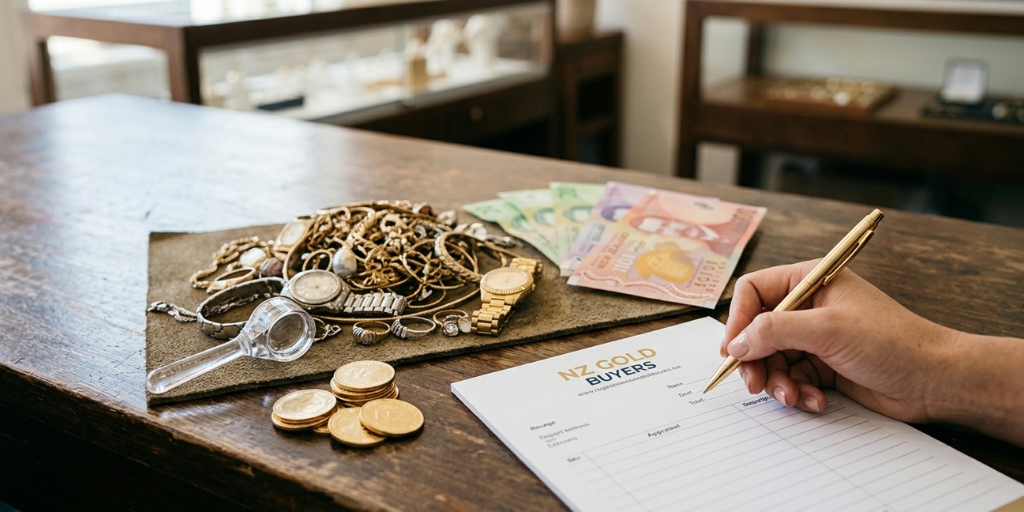
Most of us have jewellery sitting somewhere at home that we no longer wear. It could be an old gold chain tucked away in a drawer, a broken bracelet, a single earring without its pair, a ring that no longer fits, or inherited jewellery that does not match your personal style. Over time, these pieces are often forgotten, even though they may still hold real value.
The good news is that old, broken, damaged, or unwanted jewellery can often be turned into instant cash. You do not need to repair it, polish it, or know its exact purity before selling. With a trusted local buyer like NZ Gold Buyers, you can have your jewellery professionally tested, weighed, valued, and converted into cash or bank transfer through a simple and transparent process.
If you are based in Auckland and have jewellery you no longer use, this guide explains how NZ Gold Buyers can help you unlock its value.
Why Old Jewellery Still Has Value
Many people assume that jewellery loses value once it becomes old, damaged, outdated, or broken. However, when it comes to precious metals like gold, silver, and platinum, the value is mainly based on the metal content rather than the condition of the item.
This means that even if your jewellery is no longer wearable, it may still be valuable.
For example, the following items can still carry strong value:
Broken gold chains
- Damaged rings
- Old bangles
- Bent bracelets
- Single earrings
- Tarnished silver pieces
- Unwanted necklaces
- Outdated jewellery sets
- Scrap gold
- Gold pendants
- Jewellery with missing stones
- Inherited or estate jewellery
Even if the design is no longer fashionable or the piece is physically damaged, the precious metal inside it may still be worth selling.
What Counts as Old, Broken, or Unwanted Jewellery?
When people think about selling jewellery, they often imagine only polished, complete, and high-end pieces. In reality, many types of jewellery can be assessed for value.
Old Jewellery
Old jewellery may include items you purchased years ago, family jewellery, gifts you no longer wear, or pieces that have stayed unused for a long time. These items may still contain valuable gold, silver, or platinum.
Broken Jewellery
Broken jewellery can include snapped chains, twisted rings, damaged bangles, missing clasps, loose settings, or earrings without a pair. Even if the item cannot be worn, the metal may still be valuable.
Unwanted Jewellery
Unwanted jewellery may include pieces that no longer match your taste, jewellery from past relationships, duplicate items, outdated designs, or inherited pieces you do not plan to use.
Scrap Gold
Scrap gold usually refers to jewellery or gold items that are sold for their metal value rather than their design. This may include damaged, incomplete, or worn-out gold items.
Why Selling Jewellery Can Be a Smart Choice
Keeping unwanted jewellery at home may seem harmless, but it often means valuable metal remains unused. Selling it can be a practical way to turn forgotten items into money that can be used immediately.
People sell old jewellery for many reasons:
- To get instant cash
- To declutter unused items
- To sell broken pieces that are no longer wearable
- To convert inherited jewellery into usable funds
- To take advantage of strong gold prices
- To clear out old jewellery collections
- To fund personal expenses, travel, bills, or new purchases
- To simplify estate or family jewellery management
Instead of leaving unused jewellery in storage, selling it allows you to access its real market value.
Do You Need to Repair Jewellery Before Selling It?
No, you usually do not need to repair jewellery before selling it.
This is one of the biggest misconceptions people have. If you are selling jewellery for its precious metal value, repairing it is often unnecessary. In many cases, the buyer is assessing the metal purity and weight, not whether the item is wearable.
For example, you do not need to fix:
- A broken chain clasp
- A bent ring
- A missing stone
- A snapped bracelet
- A damaged earring
- A tarnished silver item
- A cracked or outdated jewellery setting
Repairing jewellery before selling may cost money without increasing the final value enough to justify the expense. It is better to bring the item as it is and let professionals test and assess it.
How NZ Gold Buyers Helps You Turn Jewellery Into Instant Cash
NZ Gold Buyers makes the selling process simple for Auckland customers who want to sell old, broken, or unwanted jewellery. The process is designed to be quick, transparent, and easy to understand.
You can bring your jewellery in for professional assessment, where it is tested, weighed, and valued based on the current precious metal market.
The typical process includes:
- Bringing your jewellery items for assessment
- Having the items tested for purity
- Weighing the items accurately
- Receiving a transparent offer
- Accepting the offer if you are happy
- Receiving instant cash or bank transfer
This makes it easier for sellers who want a straightforward way to convert unused jewellery into money.
What Types of Jewellery Can You Sell?
NZ Gold Buyers can assess a wide range of jewellery and precious metal items. You do not need to worry if the item is old, broken, damaged, or incomplete.
Gold Jewellery
Gold jewellery is one of the most commonly sold categories. This can include:
- Gold rings
- Gold chains
- Gold necklaces
- Gold bracelets
- Gold bangles
- Gold earrings
- Gold pendants
- Gold lockets
- Gold jewellery sets
Gold jewellery may be accepted in different purities, including common karat types such as 9K, 14K, 18K, 22K, and 24K.
Silver Jewellery
Silver items can also be assessed. This may include silver chains, rings, bracelets, bangles, earrings, ornaments, and other silver pieces.
Platinum Jewellery
Platinum is another valuable precious metal. If you have platinum rings, bands, or jewellery pieces, they may also be suitable for valuation.
Diamond Jewellery
Jewellery with diamonds or stones may also be assessed. Even if the stones are missing, loose, or damaged, the precious metal content may still hold value.
Scrap Jewellery
Scrap jewellery includes damaged or incomplete items that are mainly valued for their metal content. This is a great option for jewellery that is no longer wearable.
How Jewellery Value Is Calculated
A professional jewellery valuation is based on several important factors. Understanding these factors can help you feel more confident before selling.
Metal Type
The first step is identifying whether the item is gold, silver, platinum, or another metal. Different metals have different market values.
Purity
Gold purity is usually measured in karats. Higher karat gold contains more pure gold, which usually means a higher value.
For example:
- 9K gold has a lower gold percentage
- 18K gold has a higher gold percentage
- 22K and 24K gold generally carry higher gold content
If you are unsure about the purity of your jewellery, professional testing can confirm it.
Weight
Once the metal and purity are confirmed, the jewellery is weighed. Weight plays a major role in the final offer because precious metals are priced by weight.
Current Market Price
Gold, silver, and platinum prices change regularly. A fair valuation should consider current market rates rather than outdated pricing.
Condition and Additional Features
For scrap gold or broken jewellery, condition may not matter as much because the item is mainly valued for metal content. However, some pieces may have additional value depending on stones, collectability, craftsmanship, or brand, if applicable.
Why Transparency Matters When Selling Jewellery
Selling jewellery involves trust. You need to know that your items are being properly tested, accurately weighed, and fairly valued.
A transparent jewellery buyer should:
- Explain the testing process
- Weigh items clearly
- Use current precious metal pricing
- Explain how the offer is calculated
- Avoid hidden fees or surprise deductions
- Let you decide without pressure
- Provide clear payment options
This is especially important if you are selling jewellery for the first time. A professional process helps remove confusion and gives you confidence in the offer.
Common Jewellery Items People Forget They Can Sell
Many people only think of obvious gold pieces like rings or chains, but there may be many other valuable items at home.
Check your drawers, jewellery boxes, storage pouches, and old gift boxes for:
- Broken chains
- Mismatched earrings
- Old engagement or wedding rings
- Damaged bracelets
- Gold bangles
- Gold-plated-looking items that may need testing
- Silver jewellery
- Platinum rings
- Pendants without chains
- Jewellery with missing stones
- Vintage family jewellery
- Old coins or bullion
- Jewellery pieces from previous generations
Even small items can add up when they are made from precious metals.
Selling Inherited Jewellery
Inherited jewellery can be emotional. Some pieces may have sentimental value, while others may not be suitable for your lifestyle or personal taste.
If you have inherited jewellery that you do not intend to wear, selling it may be a practical option. You can keep meaningful pieces and sell the items that are unused, damaged, duplicated, or difficult to maintain.
Before selling inherited jewellery, consider:
- Whether the item has sentimental value
- Whether family members should be consulted
- Whether the item is complete or damaged
- Whether you have certificates or receipts
- Whether you want all items valued before deciding
A valuation does not mean you must sell. You can first understand the value and then make an informed decision.
Selling Jewellery After Decluttering
Jewellery often becomes part of a larger decluttering process. While cleaning wardrobes, drawers, lockers, or storage boxes, many people find old items they forgot they owned.
Instead of putting them back into storage, you can separate jewellery into three groups:
Keep
Items you wear often or want to preserve for sentimental reasons.
Repair
Items you genuinely plan to use after repair.
Sell
Items that are broken, unwanted, outdated, duplicated, or unlikely to be worn again.
This makes it easier to decide what should stay and what can be converted into cash.
Benefits of Selling to a Local Auckland Gold Buyer
Choosing a local Auckland buyer gives you the advantage of dealing in person. You can see the process, ask questions, and receive a clear explanation before deciding.
Benefits include:
- Face-to-face valuation
- Faster decision-making
- Local trust and accessibility
- Immediate payment options
- No need to ship valuable items
- Direct testing and weighing
- Better clarity on how the offer is calculated
For many sellers, an in-person process feels safer and more reliable than sending jewellery away through the post.
What Should You Bring When Selling Jewellery?
Before visiting NZ Gold Buyers, it is helpful to prepare a few things.
Bring:
- Your old, broken, or unwanted jewellery
- Valid photo identification
- Any receipts, certificates, or valuation documents, if available
- Original packaging for coins or bullion, if available
- Bank details, if you prefer bank transfer
Do not worry if you do not have paperwork. Many jewellery items can still be tested and assessed without original receipts.
How to Prepare Your Jewellery Before Selling
You do not need to do much before selling your jewellery, but a little preparation can make the process smoother.
Sort Your Items
Separate gold, silver, platinum, and unknown items if you can. If you are unsure, bring everything together and allow the buyer to test them.
Do Not Spend Money on Repairs
Avoid repairing broken pieces just to sell them. It is usually better to get them valued as they are.
Bring All Matching Pieces
If you have a set, bring all pieces together. Even if one part is damaged, the full set can be assessed.
Include Certificates If Available
If you have certificates for diamonds, bullion, or branded jewellery, bring them along. They may help with assessment.
Know That You Are Not Obligated to Sell
Getting a valuation does not mean you must accept the offer. A trustworthy buyer will let you make the final decision.
Instant Cash for Jewellery: How It Works
The phrase “instant cash” means that once your jewellery has been tested, weighed, valued, and you accept the offer, payment can be made quickly.
Depending on your preference and the buyer’s process, this may be through:
- Cash payment
- Bank transfer
This is useful for people who want quick access to money without waiting days for online selling, auctions, or private buyers.
Why Private Selling Can Be Difficult
Some people consider selling jewellery privately through online marketplaces. While this may work for certain items, it can be time-consuming and uncertain.
Private selling may involve:
- Taking photos
- Writing listings
- Negotiating with buyers
- Dealing with no-shows
- Risk of low offers
- Safety concerns
- Difficulty proving authenticity
- Delayed payment
- Uncertainty around fair pricing
For broken or scrap jewellery, private buyers may also not understand how to value the item properly. Selling to a professional gold buyer is often faster and more straightforward.
Why Choose NZ Gold Buyers?
NZ Gold Buyers helps Auckland customers sell gold, silver, platinum, jewellery, coins, bullion, and scrap precious metals through a simple and transparent process.
Here are some reasons sellers may choose NZ Gold Buyers:
Free Jewellery Testing
If you do not know whether your jewellery is gold, silver, platinum, or plated, professional testing helps confirm the metal type and purity.
Transparent Weighing
Accurate weighing is important because precious metals are valued by weight. A clear process helps sellers understand the offer.
Current Market-Based Pricing
A fair offer should reflect current precious metal prices. This helps ensure the valuation is aligned with real market conditions.
Instant Payment Options
Once you accept the offer, you can receive payment quickly through cash or bank transfer.
Old and Broken Jewellery Accepted
Your jewellery does not need to be new, polished, complete, or wearable. Old, broken, damaged, or unwanted items can still be assessed.
Local Auckland Service
As a local option, NZ Gold Buyers gives Auckland sellers a direct and convenient place to sell jewellery in person.
Tips to Get the Most From Your Jewellery Sale
Before selling your jewellery, keep these simple tips in mind:
Bring Everything for Assessment
Small items can add up. Bring all unwanted jewellery, even if you think some pieces may not be valuable.
Understand the Basics
Knowing that value depends on purity, weight, and market price helps you understand the offer more clearly.
Avoid Emotional Pressure
Take time to decide which items you genuinely want to sell and which ones you want to keep.
Ask Questions
A reliable buyer should be willing to explain the process, testing method, and offer calculation.
Choose a Buyer With No Hidden Surprises
Look for a buyer who is clear about fees, deductions, testing, payment, and valuation.
Frequently Asked Questions
Can I sell jewellery if it is broken?
Yes. Broken jewellery can still be valuable because the metal content remains. Items like snapped chains, bent rings, damaged bangles, and single earrings may still be assessed.
Can I sell jewellery without a receipt?
In many cases, yes. Professional testing can identify the metal and purity even if you do not have the original receipt.
Do I need to know the karat before selling?
No. If you do not know whether your item is 9K, 14K, 18K, 22K, or another purity, it can be tested.
Can I sell jewellery with missing stones?
Yes. Jewellery with missing stones may still hold precious metal value.
Is old jewellery worth selling?
Yes, old jewellery can be worth selling if it contains gold, silver, platinum, or other valuable materials.
Will I be forced to sell after valuation?
No. A valuation should help you understand the value of your jewellery. You can decide whether to accept or decline the offer.
Final Thoughts
Old, broken, or unwanted jewellery may be worth more than you think. Even if a piece is damaged, outdated, incomplete, or no longer wearable, it may still contain valuable gold, silver, or platinum that can be converted into instant cash.
Instead of leaving unused jewellery in a drawer, you can bring it to NZ Gold Buyers for professional testing, weighing, and valuation. With a transparent process, local Auckland service, and instant payment options, NZ Gold Buyers makes it easier to turn forgotten jewellery into real value.
Whether you have broken gold chains, old rings, damaged bangles, unwanted earrings, inherited jewellery, or scrap gold, now may be the right time to find out what your jewellery is worth.